Are fine lines and expression wrinkles becoming more noticeable on your face? Botox treatment is one of the medical options used to reduce the appearance of certain facial wrinkles and create a smoother-looking appearance. If you are exploring Botox Treatment in Indore, understanding how the procedure works, its potential benefits, limitations, and possible side effects can help you make an informed decision.
Consult Dr. Swati Gupta, MD Dermatologist at SS Skin & Pedia Clinic, Indore, to discuss your skin concerns and understand whether Botox treatment may be suitable for you. A personalized consultation can help you explore appropriate treatment options based on your facial features, skin condition, medical history, and expectations.
What Is Botox Treatment?
Botox is a commonly used name for products containing botulinum toxin type A. When administered into selected muscles by a qualified medical professional, it temporarily reduces muscle activity. This can soften certain expression-related wrinkles that develop due to repeated facial movements.
Botox treatment is commonly considered for dynamic wrinkles, which become visible or more prominent when a person smiles, frowns, or raises their eyebrows. The suitability of treatment depends on individual facial anatomy, expectations, and medical assessment.
Botox is not the same as a dermal filler. Botox reduces activity in selected muscles, whereas dermal fillers are used to restore volume or improve certain facial contours.
Which Facial Concerns Can Botox Treatment Address?
Botox treatment may be considered for selected expression-related lines, including:
- Forehead lines that appear when raising the eyebrows.
- Frown lines between the eyebrows.
- Crow’s feet around the outer corners of the eyes.
- Selected facial muscle concerns assessed by a qualified practitioner.
Botulinum toxin also has medical uses for specific conditions, depending on the product and clinical indication. However, not every wrinkle or skin concern requires Botox. Fine lines caused by sun exposure, changes in skin texture, and loss of skin volume may need a different approach.
A dermatologist can assess your concerns and explain whether Botox or another treatment may be appropriate.
How Does Botox Treatment Work?
Botox works by temporarily blocking the release of a chemical messenger involved in communication between nerves and muscles. As a result, activity in the treated muscles decreases, allowing certain expression lines to appear softer.
The procedure generally involves the following steps.
1. Skin and Facial Assessment
The dermatologist evaluates facial movements, areas of concern, medical history, current medications, and treatment expectations. This assessment helps determine whether Botox is appropriate.
2. Personalized Treatment Planning
The injection sites and appropriate dose are determined according to individual anatomy and the intended treatment area. Treatment should be personalized rather than based on a standard dose for everyone.
3. Administration of Injections
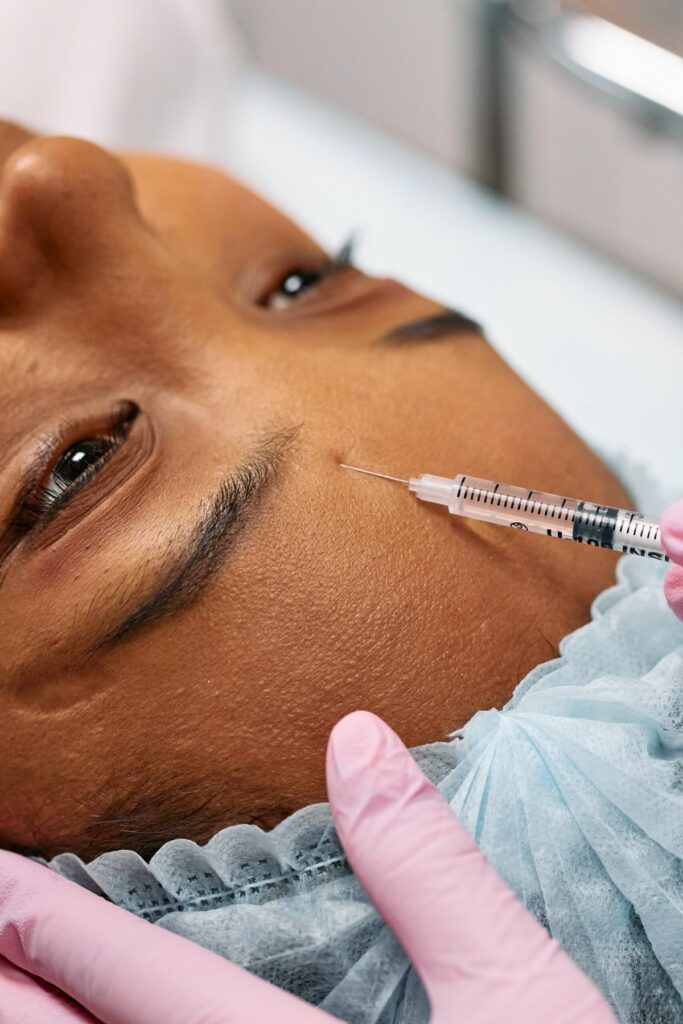
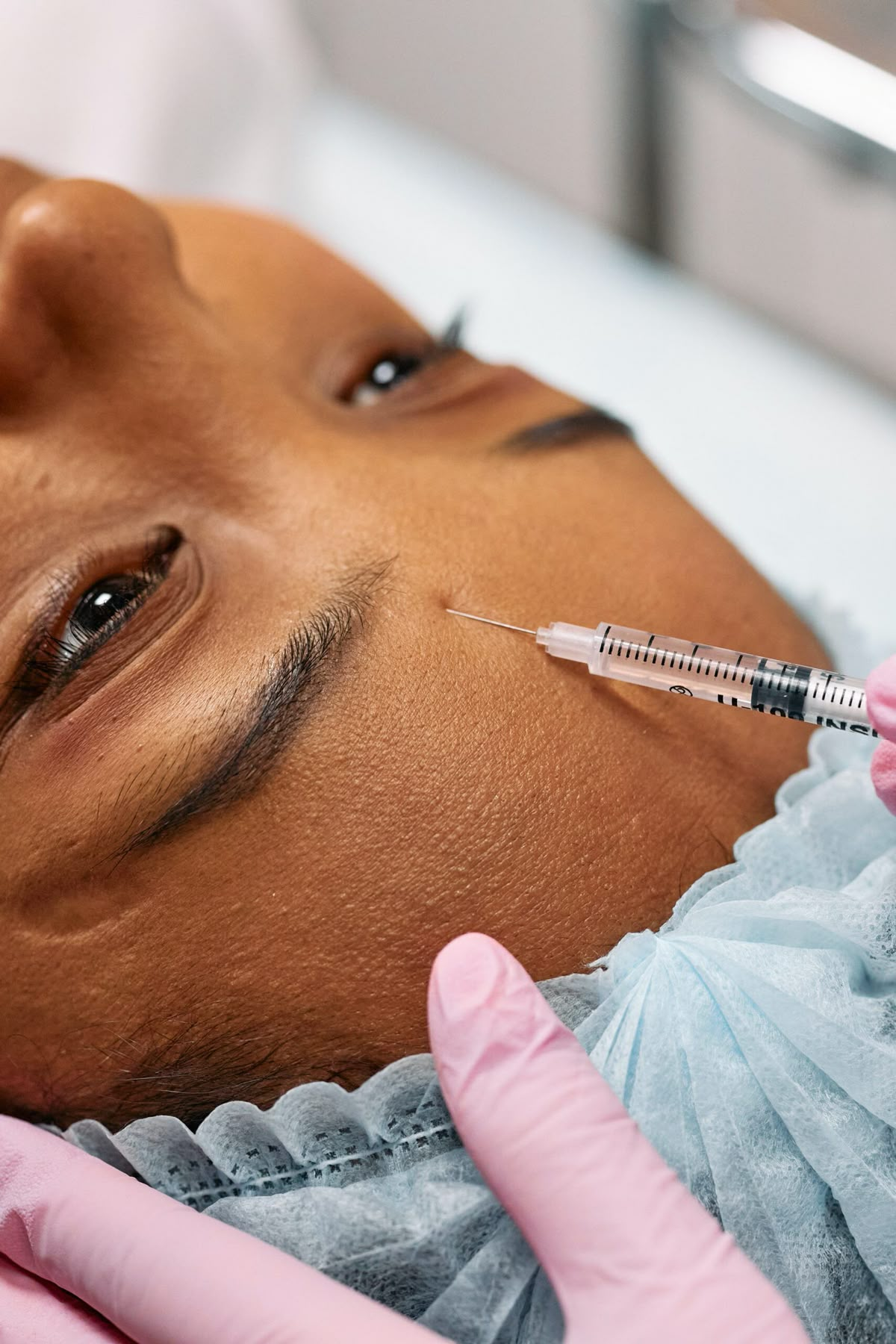
Small amounts of the prescribed product are injected into selected muscles using a fine needle. The procedure is generally performed in a clinical setting and usually takes a short time.
4. Aftercare and Follow-Up
The dermatologist provides aftercare instructions and explains when results may become noticeable. Follow-up may be recommended to assess the response and identify any complications.
Benefits of Botox Treatment
When clinically appropriate, Botox treatment may offer several benefits:
- Reduction in the appearance of selected expression-related wrinkles.
- A temporary smoothing effect in the treated area.
- A minimally invasive procedure that does not require surgery.
- A relatively short treatment session.
- Temporary effects that gradually wear off over time.
Results vary from person to person. Botox does not stop the natural ageing process, eliminate every wrinkle, or guarantee a particular cosmetic outcome. Your dermatologist can explain realistic expectations and alternative options.
When Can You Expect Botox Results?
Botox results are not usually immediate. Changes may begin to appear over several days, with the effect developing further over approximately one to two weeks, depending on the treatment area and individual response.
The effect is temporary and commonly lasts around three to four months, although the duration varies from person to person. Muscle activity gradually returns as the effect wears off.
Repeat treatment should be considered only after medical consultation. The appropriate timing depends on your response, treatment goals, product instructions, and clinical assessment.
Is Botox Treatment Safe?
Botox can be used for appropriate indications when an approved product is administered by a suitably qualified and trained medical professional. However, like every medical procedure, it carries potential risks.
Possible side effects include:
- Temporary redness, swelling, bruising, or discomfort at the injection site.
- Headache.
- Eyelid or eyebrow drooping.
- Facial asymmetry or unwanted changes in muscle movement.
Rarely, botulinum toxin effects may spread beyond the injection site and cause serious symptoms such as difficulty swallowing, speaking, or breathing. These symptoms require urgent medical attention.
Before treatment, inform your doctor about your medical conditions, allergies, medications, previous cosmetic procedures, and any history of neuromuscular disorders. Botox may not be suitable for everyone. Pregnancy and breastfeeding also require specific medical guidance.
Choose a qualified medical professional who uses an appropriate product and follows safe injection practices. Avoid unverified products and injections from unqualified providers.
Who May Be a Candidate for Botox?
Adults concerned about selected expression-related wrinkles may be candidates for Botox after an individual assessment. Suitability depends on factors such as facial anatomy, medical history, treatment area, and expectations.
Botox may not be the right option for everyone. Individuals with certain medical conditions, an infection at the proposed injection site, or a history of reactions to the product require careful evaluation.
A consultation with a dermatologist can help you understand the potential benefits, alternatives, limitations, and risks before deciding whether to proceed.
Botox Treatment in Indore: Consult Dr. Swati Gupta, MD Dermatologist
If you are considering Botox Treatment in Indore, a professional skin consultation can help you understand which options may be suitable for your concerns.
Consult Dr. Swati Gupta, MD Dermatologist at SS Skin & Pedia Clinic, Indore, to discuss your concerns about facial wrinkles and explore appropriate treatment options. Your consultation can include an assessment of your skin and facial movements, a discussion of expected results, and guidance about the procedure, aftercare, limitations, and possible side effects.
Rather than choosing a treatment based only on trends, make your decision after understanding its suitability for your skin and facial features.
To enquire about a consultation, contact SS Skin & Pedia Clinic at 62638 95213.
Frequently Asked Questions About Botox Treatment
1. How long does Botox treatment last?
The effects commonly last around three to four months, but the duration varies depending on the individual, treatment area, dose, and product used.
2. Does Botox treatment hurt?
The procedure involves small injections that may cause brief discomfort. Individual experiences vary, and the treating professional can explain ways to improve comfort.
3. Will Botox make my face look unnatural?
The outcome depends on facial anatomy, dose, injection placement, and treatment goals. A qualified practitioner should discuss realistic expectations and plan treatment according to your individual features.
4. Is Botox suitable for all types of wrinkles?
No. Botox is primarily used for selected expression-related wrinkles. Wrinkles associated with sun damage, skin texture changes, or loss of volume may require different treatment options.
5. Can I return to my routine after Botox?
Many people resume normal activities soon after treatment, but individual aftercare instructions should be followed. Your doctor will advise you about exercise, rubbing the treated area, and other precautions.
6. Where can I consult for Botox treatment in Indore?
You can contact SS Skin & Pedia Clinic, Indore, to enquire about a consultation with Dr. Swati Gupta, MD Dermatologist. The suitability of Botox should be determined after an individual medical assessment.
Conclusion
Botox treatment may help reduce the appearance of selected expression lines when performed for an appropriate indication. Understanding its potential benefits, temporary nature, possible risks, and alternatives is essential before making a decision.
If you are searching for Botox Treatment in Indore, consult Dr. Swati Gupta, MD Dermatologist at SS Skin & Pedia Clinic, to discuss your concerns and learn about suitable options for your individual needs.
Medical note: This article is intended for general educational purposes and does not replace an individual medical consultation.